
Front End Loader Operator

Front End Loader Operator

Average Weekly Salary
$2,500

Employability
Strong job prospects due to demand outpacing workforce growth in the industry.

Future Demand
High

Primary Industries
Construction, Mining
Front End Loader Operator: Your Guide to Getting Started
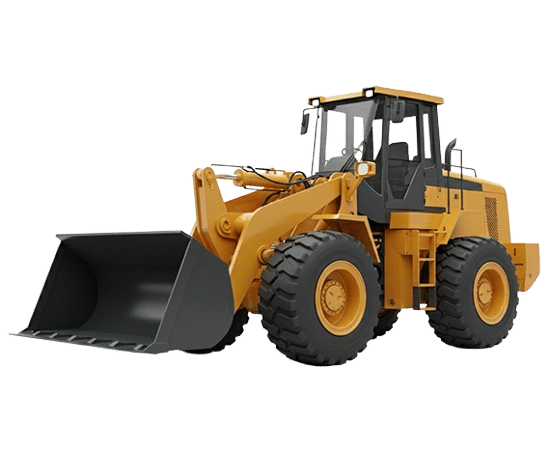
What Does a Front-End Loader Operator Do?
A front-end loader is an extremely versatile piece of equipment. Operators use them for:
- Loading trucks with soil, gravel, or rubble
- Moving bulk materials across sites
- Clearing debris and prepping land
- Backfilling trenches and holes
- Assisting with roadworks and big civil jobs
It’s practical, hands-on work that keeps a site moving.
Is There Demand?
You bet.
Front-end loaders are used across civil construction, roadworks, quarries, and even mining. With infrastructure booming in Australia, demand for trained operators is solid in both metro and regional areas.
How Much Can You Earn?
Here’s a rough guide:
- Entry-level: $65,000–$75,000 per year
- Experienced operators: $80,000–$95,000
- Big projects/mining work: $100k+
Hourly rates generally range from $28–$40, with plenty of chances to earn more if you’re doing overtime, remote gigs, or holding other machine tickets.
Career Progression
Starting on a front-end loader is an excellent way into the civil and construction industry. From here, many operators branch out into roles like:
- Excavator or dozer operator
- Site supervisor
- vPlant manager
- Civil construction foreperson
Each new machine or role adds to your earning power and opens more doors.
How Do You Become a Front-End Loader Operator?
1. Get Qualified
The required ticket is RIIMPO321F – Conduct Civil Construction Wheeled Front-End Loader Operations. At Multiskills, our training is designed to be practical and straight to the point.
- Planning and preparing for loader work
- Pre-start checks and safety
- Operating the loader on different types of ground
- Loading, lifting, and shifting materials safely
- Cleaning, maintaining, and shutting down the machine
<Once you’re done, you’ll walk away with a Statement of Attainment that’s recognised all over Australia.
2. On-the-Job Learning
Some workers pick up loader skills working under supervision on-site, but most potential employers want to see proper certification. Having that ticket gives you more job options and makes you site-ready.
Is This the Job for You?
This career is worth considering if you:
- Enjoy operating machinery
- Don’t mind physical, outdoor work
- Value safety and teamwork
- Have good coordination and focus
- Want steady, practical employment with room to grow.
Ready to Jump On a Loader?
At Multiskills, we’ll provide you with the training, support, and ticket you need to step straight onto the worksite with confidence. Whether you’re just starting out or adding another ticket to your name, our Front End Loader Operator course is a smart move.
👉 Check out our upcoming course dates and let’s get you behind the wheel.



How do I become a crane operator?
How much does a crane operator earn?
How much does it cost to get your crane licence?

Real Stories from MultiSkills graduates
Today I’m very excited to finish my Civil Construction Plant Operations course. It was a wonderful experience. The trainers, students and staff are welcoming and cooperating. I learnt a lot from this training.
– Sayidka
I’ve been coming to Multiskills for the past few months and although construction is an area I’m very new to, every time I walk away feeling confident in the skills that I’ve learnt on site. Each trainer has a different yet effective style of teaching but regardless, you’re always in good hands. I just finished my Basic Rigging with Denis who was very patient, supportive and encouraging (like all the other trainers I’ve had so far – Sally, Dave and Jamie). Thank you all for making it a great experience so far!
– Maxine
Did my basic rigging here recently and Denis was a great instructor, really clear instruction and teaching method. Felt in safe hands the whole time.
– Celso
EXCELLENT Based on 726 reviews
 Posted on Google

 Zayyan PeerbuccusCompleted the two day forklift course and I must say I’ve come a long way. I didn’t feel comfortable nor had the belief in myself that I’d successfully pass the course! Macca was a big help in that getting me over the line, taking his time in assessing me and answering any questions I had. I’m grateful I was able to have him as my trainer and assessor I can definitely say my confidence to operator a forklift has improved compared to how I was when I first started!Posted on Google
 Jacques TredouxHad Kit as my teacher, super informative and adjusts his teaching to the classes experience level which makes the courses less dry for people with prior experience.Posted on Google
 Ryan WellsI’ve had Adam for my dogging, basic rigging and intermediate rigging. He has a lot of knowledge in the industry and highly recommend getting your high risk work licenses through Multiskills.Posted on Google
 Pat BoltonIntermediate Rigging course was well structured and organised, Our trainer Adam was very knowledgeable. It was great having someone with real world experience teaching the course.Posted on Google
 MSHMatthew delivered the course information exceptionally. Thank you SO muchPosted on Google
 skye wickhamMat was very helpful, easy to understand and made the course meaningfulPosted on Google
 Paramjit SinghVery good training organisation.. Special thanks to the trainer Matt McKenzie , he has got wealth of knowledge and experience in civil construction. Thanks to all the the other trainersPosted on Google
 Imma A
Trustindex verifies that the original source of the review is Google.
Never seen a missing assessment to the rest of the class that can’t be fixedPosted on Google Grant HobsonThank you to Multiskills for providing excellent forklift training. Kit Moores is a fantastic trainer, very outgoing and professional, explaining everything clearly and answering any questions thoroughly. Overall great experience.
Ready to unleash your potential?
Campuses
Werribee:
57-65 Riverside Ave, Werribee, VIC 3030
Geelong:
351-359 Portarlington Road, Moolap, VIC 3224
Traralgon (ACE Training):
14 Stratton Drive, Traralgon, VIC 3844
Contact Info
Phone: 1800 754 557
Hours: Mon to Fri, 7.30 am – 4.00 pm
Email: info@multiskills.com.au
Follow us:
Trade Training Group Pty Ltd (ABN 73 164 026 260) T/A MultiSkills Training (RTO 40846). Copyright 2025 by MultiSkills Training. All Rights Reserved.